


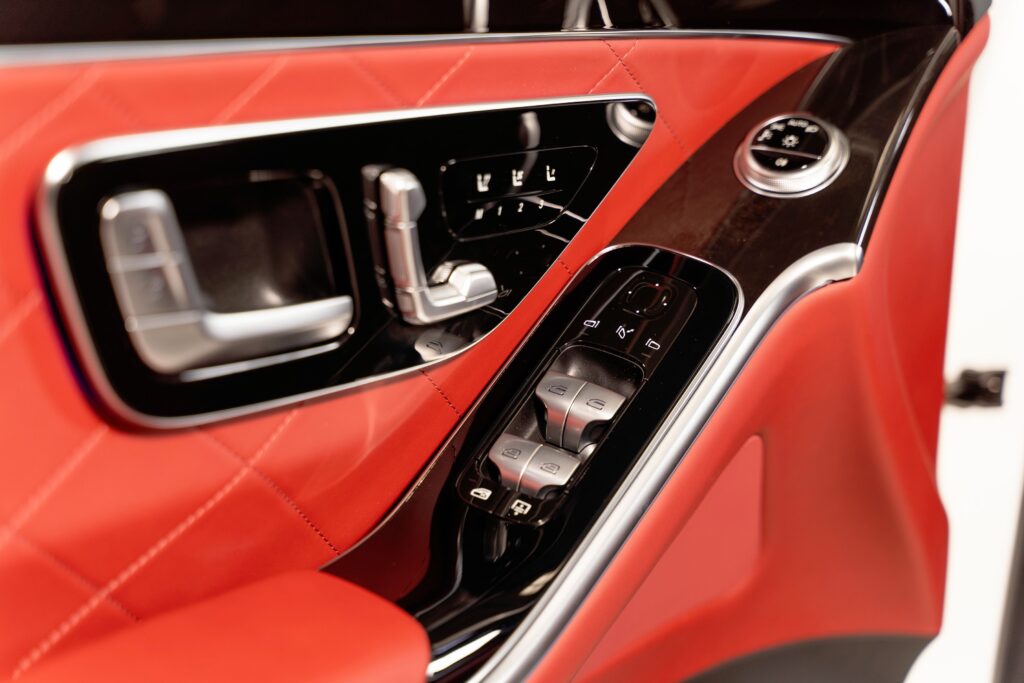

The automotive industry is undergoing a major transformation. Electric vehicles, advanced driver assistance systems, connected vehicle technologies, and software-defined vehicles are changing the way electrical systems are designed and manufactured.
As vehicle electrical architectures become more complex, the automotive wiring harness remains one of the most important components connecting power, signals, sensors, control units, lighting systems, and other electrical devices.
In 2026, several key trends are shaping the future of automotive wiring harnesses, including electrification, zonal architecture, lightweighting, and higher requirements for connectors and harness assemblies.
1. Electrification Continues to Drive Wiring Harness Demand
The rapid development of electric and hybrid vehicles is increasing demand for specialized wiring harness systems. Unlike traditional vehicles, EVs require electrical systems capable of handling high-voltage power as well as complex low-voltage control and communication circuits.
This creates new opportunities for manufacturers of high-voltage harnesses, battery connections, charging systems, motor connections, and low-voltage automotive pigtail harnesses.
Automotive wiring harnesses are becoming more important as vehicles rely increasingly on electrical and electronic systems.
2. Zonal Architecture Is Changing Traditional Harness Design
One of the most important developments in automotive electrical architecture is the move toward zonal architecture.
Traditional vehicles often use large and highly centralized wiring harness systems. In a zonal architecture, electrical functions are organized around different areas or “zones” of the vehicle, with local controllers communicating through high-speed networks.
This approach can help reduce unnecessary wiring length, simplify vehicle assembly, reduce weight, and make electrical systems easier to manage.
For wiring harness manufacturers, this change does not simply mean producing fewer wires. It creates demand for more compact, application-specific harness assemblies and reliable connectors that can be integrated into different vehicle zones.
| Traditional Architecture | Zonal Architecture |
|---|---|
| Large centralized harnesses | More localized harness assemblies |
| Longer wiring routes | Shorter and more optimized wiring routes |
| More complex routing | More modular electrical design |
| Higher harness weight | Greater focus on weight reduction |
3. Lightweighting Is Becoming More Important
Vehicle weight has a direct impact on energy consumption and driving efficiency. This makes lightweighting an important consideration for both EV and conventional vehicle manufacturers.
Wiring harnesses contain a significant amount of conductive material, connectors, terminals, protective materials, and fixing components. As a result, manufacturers are looking for ways to reduce harness weight without compromising electrical performance, reliability, or safety.
The industry is also exploring greater use of lightweight conductive materials in selected applications. In 2026, several major automakers have increased their use of aluminum wiring, driven by both weight reduction and material cost considerations.
However, copper remains an important material for many automotive electrical applications because of its excellent electrical conductivity and established manufacturing processes.
4. Automotive Connectors Are Becoming More Critical
As vehicles contain more sensors, electronic control units, lighting systems, and communication devices, the number of electrical connection points continues to increase.
A reliable wiring harness is therefore more than a group of wires. The connector, terminal, sealing system, wire specification, and assembly quality all affect the performance of the final harness.
For automotive applications, connectors may need to provide reliable electrical contact while also resisting vibration, moisture, temperature changes, dust, and other harsh operating conditions.
When evaluating an automotive wiring harness supplier, it is important to consider the complete assembly — including wires, terminals, connectors, seals, and assembly quality — rather than focusing only on unit price.
5. The Growing Role of Automotive Pigtail Harnesses
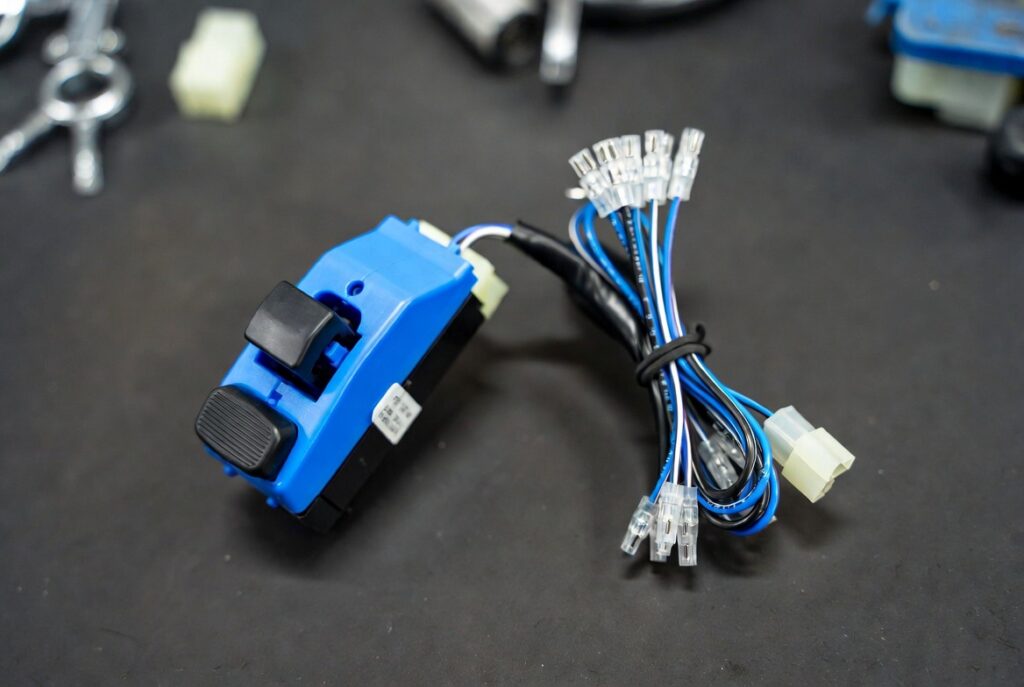
While large vehicle harnesses receive considerable attention, smaller harness assemblies such as automotive pigtails also play an important role in vehicle electrical systems.
A pigtail harness typically combines a connector, terminals, wires, and sometimes protective components into a ready-to-install assembly. This allows manufacturers, repair shops, distributors, and aftermarket customers to replace or connect a specific electrical component more efficiently.
Common applications include:
- Automotive lighting systems
- Turn signal and lighting switches
- Power window switches
- Automotive sensors
- Control switches
- Repair and replacement applications
- Custom electrical connections
For these applications, correct connector matching, terminal quality, wire specifications, pin configuration, and consistent assembly are essential.
6. What Should Buyers Look for in an Automotive Wiring Harness Supplier?
As automotive electrical systems become more specialized, buyers increasingly need suppliers who can provide consistent quality and flexible customization rather than simply low-cost components.
Important factors include:
7. What Does the Future Hold for Automotive Wiring Harnesses?
The future of automotive wiring harnesses will not be defined by one single technology. Instead, several developments are happening at the same time.
EV adoption is increasing demand for new electrical architectures. Zonal architecture is changing how wiring systems are distributed throughout the vehicle. Lightweighting is creating pressure to optimize materials and harness design. At the same time, the increasing number of electronic functions is creating continued demand for reliable connectors and compact harness assemblies.
For wiring harness manufacturers and suppliers, this means the market is moving toward more specialized, more reliable, and more application-specific harness solutions.
Conclusion
Automotive wiring harnesses may not be the most visible components in a vehicle, but they are fundamental to modern vehicle electrical systems. As vehicles become more electrified, connected, and software-driven, the requirements for wiring and connection systems will continue to evolve.
For manufacturers, distributors, and automotive parts buyers, understanding these trends can help when selecting harness components and developing new electrical assemblies.
Looking for an Automotive Wiring Harness Supplier?
We provide automotive wiring harnesses, pigtail harnesses, connectors, and customized wiring solutions for automotive applications.